




The Palace Museum and Prince Kung’s Palace Museum jointly unveiled an exhibition titled “Flourishing Times, New Beginnings: A Visual Chronicle from Cultural Heritage to Enriched Life” on Tuesday. The exhibition, held at the Palace of Prolonging Happiness (Yanxi gong) of the Palace Museum and the Jiale Hall at Prince Kung’s Palace Museum, is the first to connect two historic sites through a coordinated photographic narrative. More than 200 selected works by the two museums’ photographers form a dialogue between the two sites. Instead of simply documenting architecture, the exhibition explores the medium of photography — including techniques, materials, and expressive potential — to create a multidimensional, cross-disciplinary space for interpreting cultural heritage. It traces a century of architectural change and reveals how historic sites continue to resonate with contemporary life.
Together, the Palace Museum and Prince Kung’s Palace Museum show how ancient architecture of the Ming (1368-1644) and Qing (1644-1911) dynasties embodied both strict ritual order and the aesthetics of daily life. While using photography to reveal the beauty of classical architecture, the exhibition also leverages uses “image archaeology” to uncover how these buildings transformed in appearance while maintaining their underlying cultural spirit. It traces the deeper cultural connotation that connects them — from imperial ceremonies to humanistic charm, from the legacy of history to the revival of tradition.
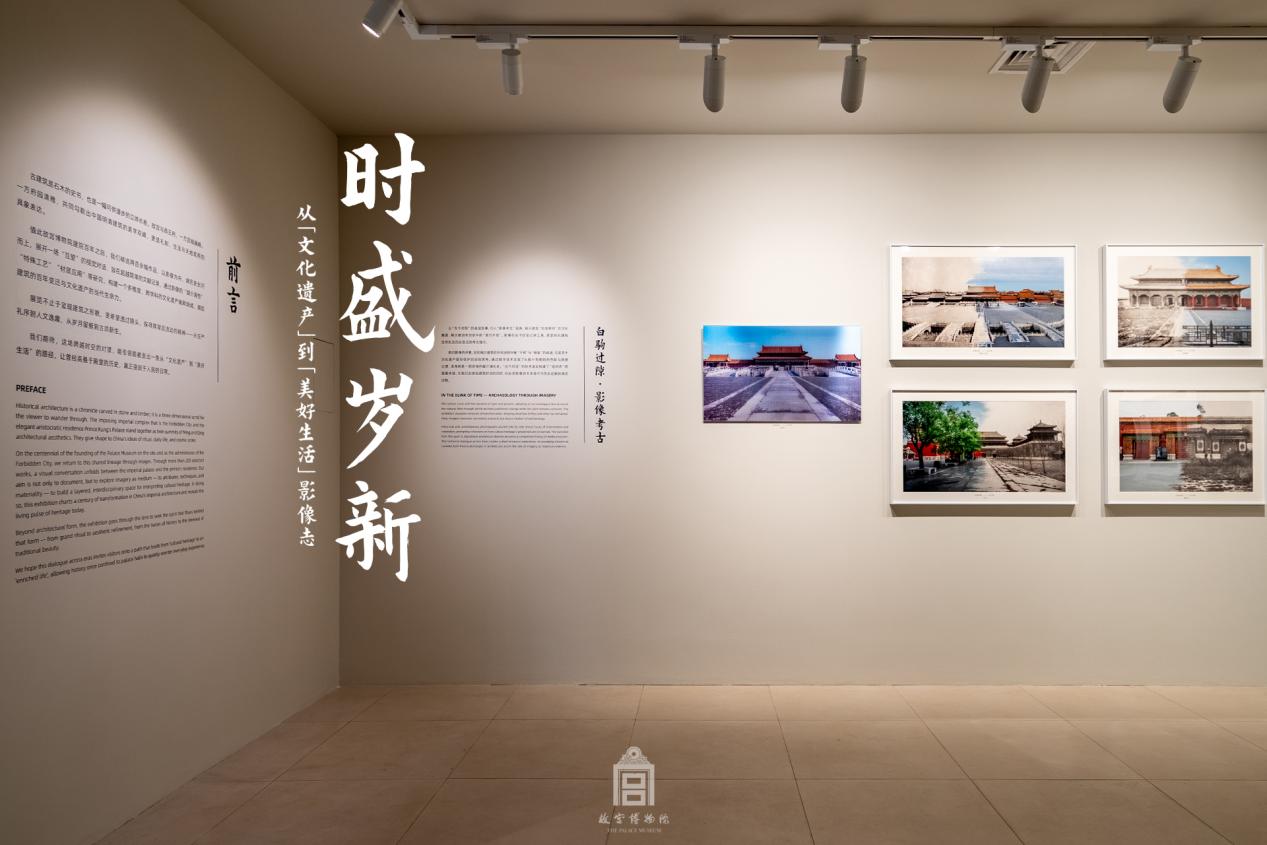
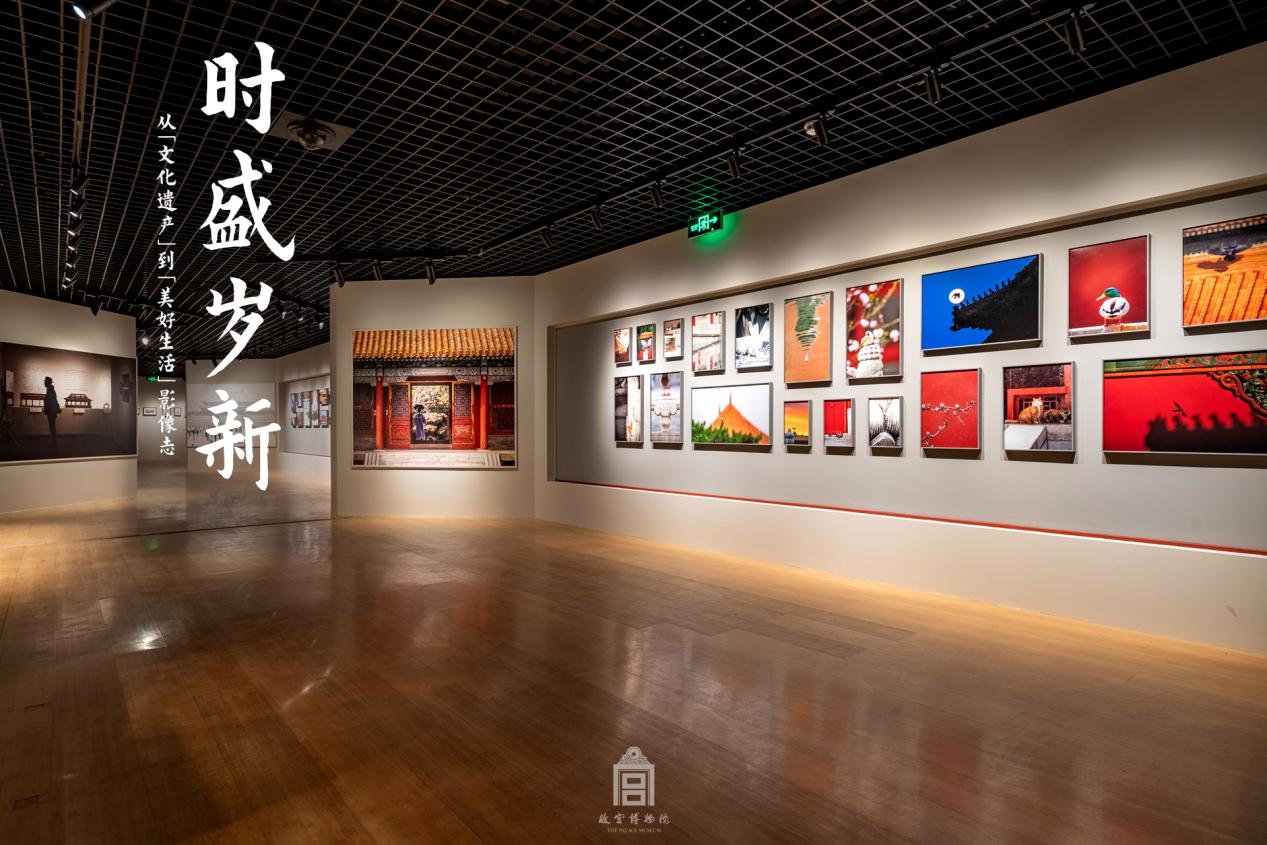
Drawing on the unique layouts of the two-story gallery at the Palace of Prolonging Happiness and the courtyard of the Jiale Hall (including its main and side halls in the east and west), the exhibition is divided into three sections. The first section “Fleeting Time, Image Archaeology” uses photography as a tool that traces the history of ancient buildings. Through comparing historical and contemporary images, it reveals what has changed and what has remained over hundreds of years. The interplay between film and digital formats creates a layered sense of time, encouraging visitors to reflect not only on cultural heritage conservation practices but also on the evolving role of photographic images as historical evidence.
The second section “Visual Dialogue, Grandeur of Nature” shows how nature reshapes the textures and emotional atmosphere of architecture through shifting seasons and changing light — from dawn and dusk to rain and snow, emphasizing harmony between humanity and nature. One side of the hall features the Palace Museum, with its architecture arranged along the central axis and expressing the formal grandeur of imperial ritual system; the other presents the garden of Prince Kung’s Palace Museum, where winding paths and shifting views exhibit a quiet elegance. Moving between the monumental and the intimate, visitors will enjoy the craftsmanship, structural logic, and aesthetic sensibilities that define traditional Chinese architecture — experiencing a visual transition from the realm of state to the sphere of home.
The final section “People and Place, Tradition Renewed” focuses on how the public engages with historic architecture today. As people step into these ancient buildings, they give them new meaning. Former imperial spaces are now public cultural venues. Photographs of visitors within these sites show how historical heritage becomes part of everyday life today. It is people who give these once-formal spaces real meaning, helping cultural heritage shift from something remote to something familiar, and showing how historical sites can become contemporary cultural resources that enrich modern living.
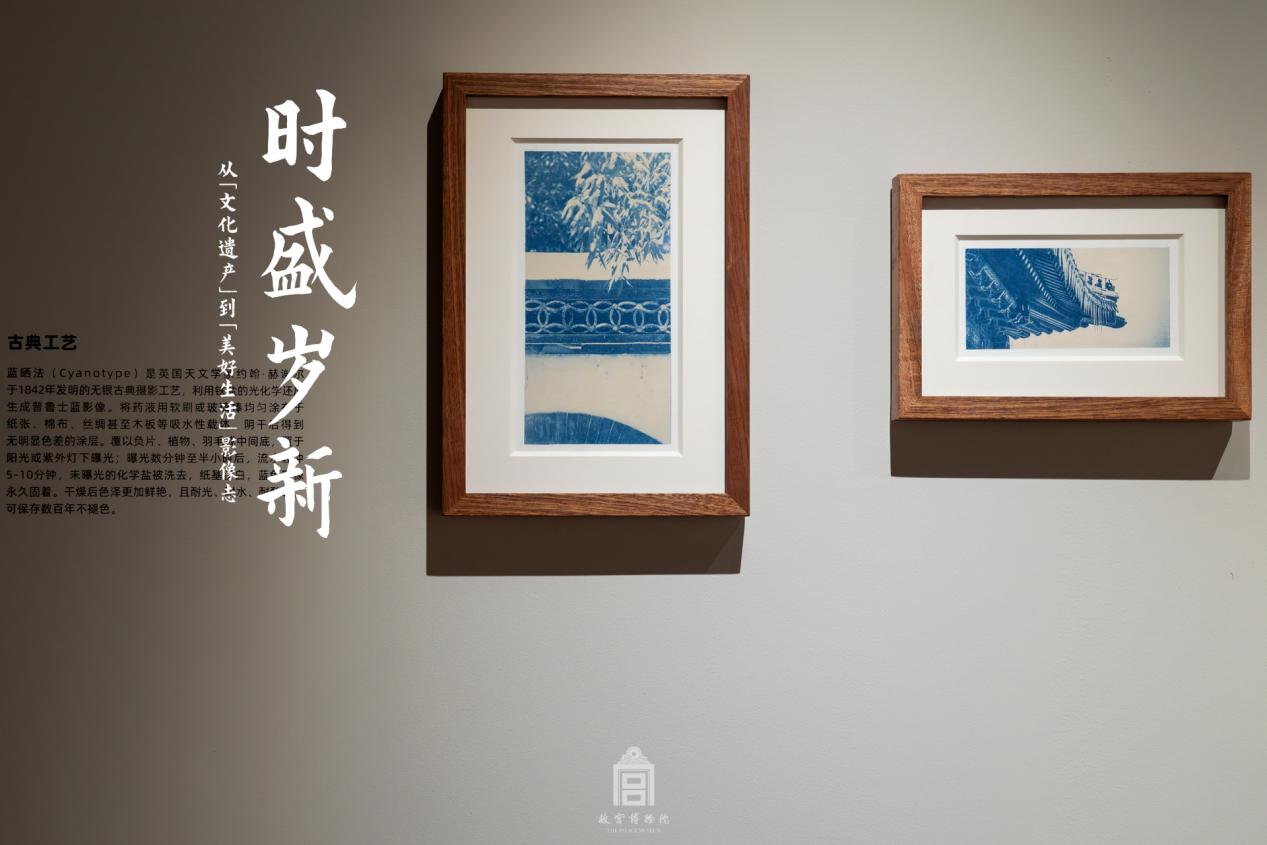
Two additional zones are dedicated to “Classical Techniques” and “Material Practices,” respectively. The first showcases cyanotypes, wet-plate processes, and other historical methods whose textured surfaces echo the ways architecture itself changes over time. The second transfers images onto bricks, wood, and other materials used in traditional architecture, giving photographs a physical presence — cool, solid, or rough — each carrying distinct stories and memories. Together, they form a tangible “visual archive” of ancient architecture.
Cultural heritage today functions as a living organism — continually interpreted, revitalized, and rediscovered. The exhibition is not only a record of historical architecture; it also reflects the complex relationships among humanity, technology, culture, and nature. These images not only honor the grandeur of cultural relics but also reflect a deep awareness of heritage preservation.
Through this joint exhibition, the Palace Museum and Prince Kung’s Palace Museum aim to build a bridge connecting viewers with photography and history. Beyond presenting the artistic appeal of the two iconic imperial sites, the exhibition invites visitors to consider how historical heritage can coexist with modern life — and how these “buildings that speak” may continue to speak today, linking past and future and opening up new possibilities for cultural expression.